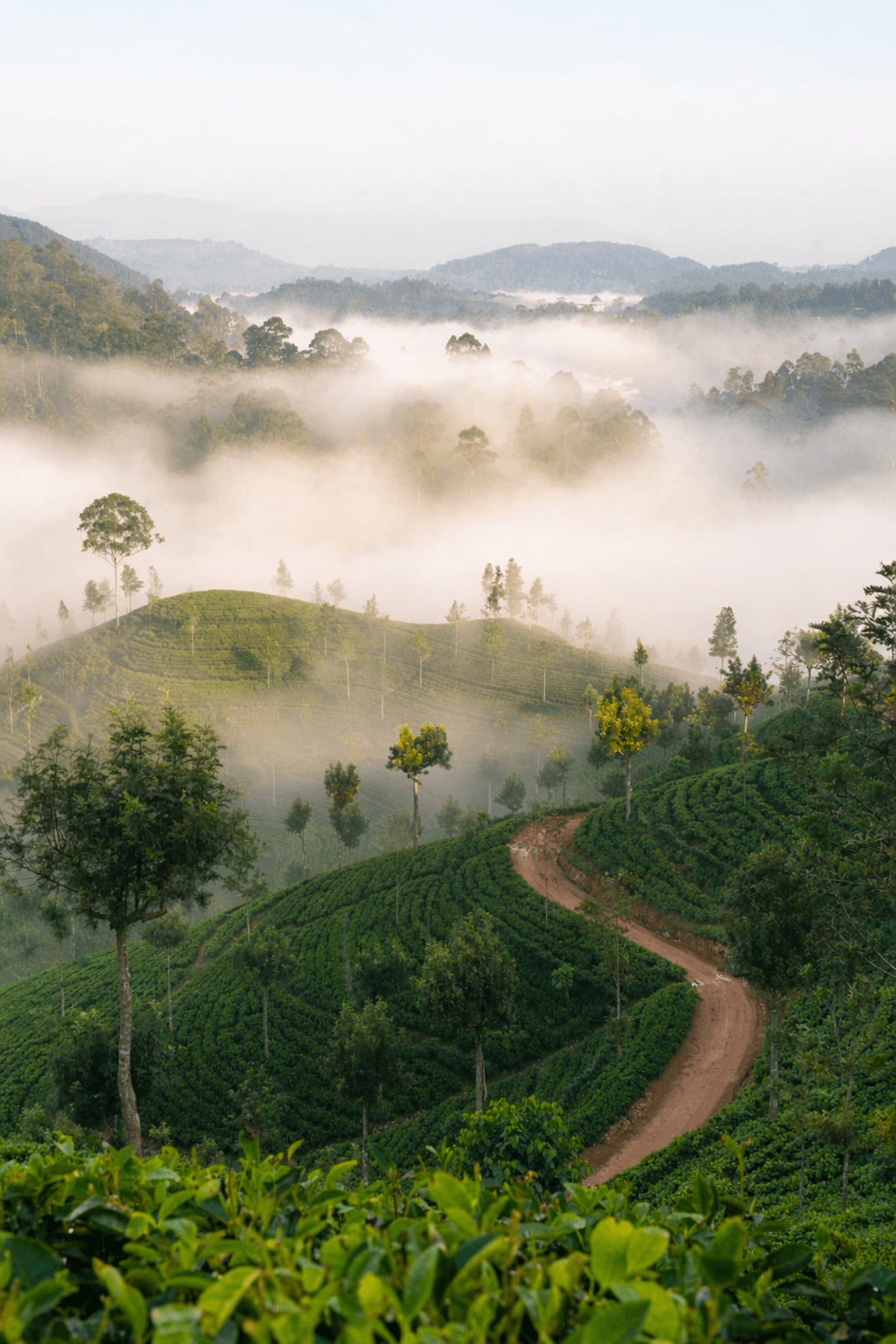
In 1869, a microscopic fungus arrived in the highlands of Ceylon and began quietly destroying every coffee plant on the island. Within fifteen years, one of the most profitable colonial economies in the world had collapsed. What replaced it was not planned, not obvious. It was an accident that became the cup the world wakes up to every morning.
The Planter Who Started It
James Taylor was a Scotsman, twenty-three years old, who arrived in Ceylon in 1852. He was given charge of the Loolecondera estate in Kandy and told to manage the coffee. He managed it well.
In 1867 — two years before the fungus arrived — Taylor planted nineteen acres of tea. He had no way of knowing he was building an empire. He was simply curious.
The World That Disappeared
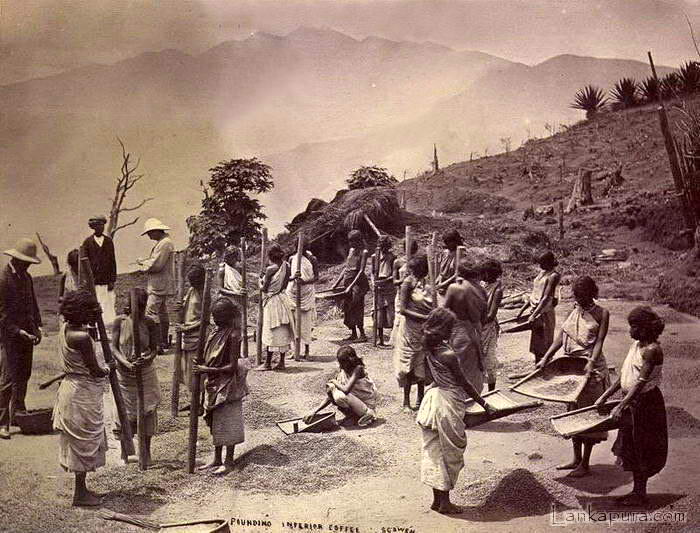
By the mid-19th century, the British had transformed the central highlands into one of the most productive coffee-growing regions in the world. By 1870, Ceylon was producing fifteen million pounds of coffee per year.
By 1878, coffee production had fallen by half. By 1885, it had ceased.


The Pivot to Tea
Planters tried cinchona, cardamom, rubber, coconut. Most simply left. But a handful looked at what Taylor had been growing at Loolecondera since 1867 and decided to scale it up.
Tea turned out to suit the Ceylon highlands almost perfectly. The altitude, rainfall, temperature, soil — conditions that had made the region good for coffee made it exceptional for tea.
Building an Empire
Thomas Lipton began buying Ceylon estates in 1890. His genius was commercial: he owned the estates, ships, packaging, and retail outlets. He put his own face on the packaging. He turned Ceylon tea from a commodity into a brand.
By the time Ceylon gained independence in 1948, the tea industry employed over a million people and accounted for the majority of the country's export earnings.
James Taylor died on his estate in 1892, never having become wealthy. He is buried in Kandy. The industry he accidentally founded employs over a million people worldwide.