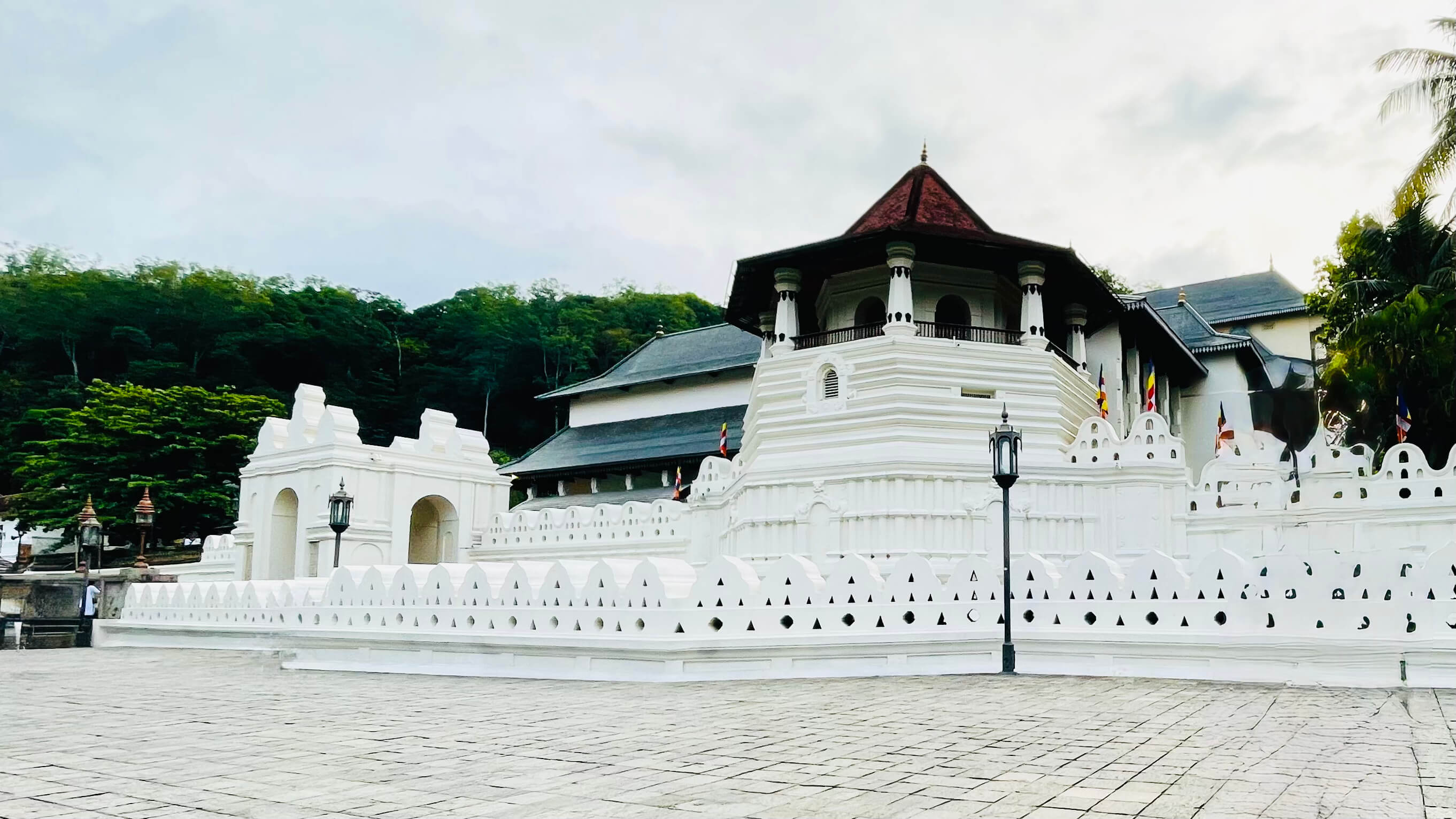
For two thousand years, a single relic has sat at the center of Sri Lankan civilization — not as a museum piece, not as a symbol, but as a living presence that kings have fought wars over, colonizers have tried to destroy, and millions visit every single day.
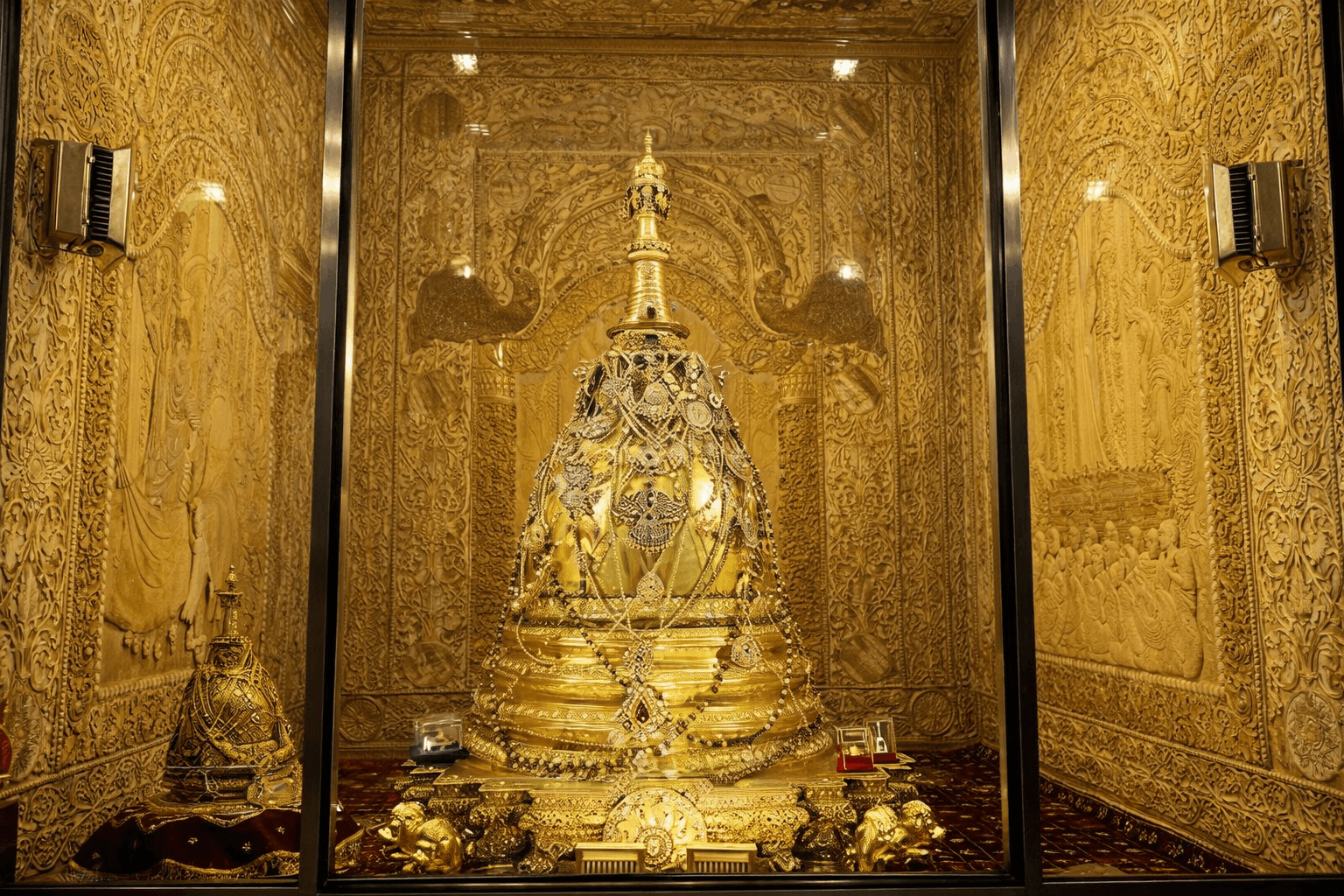
According to the Mahavamsa, when the Buddha died in 543 BC, his left canine tooth was recovered from the funeral pyre. For centuries it was kept in India until, in the 4th century AD, a princess named Hemamali smuggled it hidden in her hair, crossing the ocean to Sri Lanka.
The Doctrine
Within decades of its arrival, a doctrine had formed: whoever holds the Tooth holds the right to rule Sri Lanka. The relic was not merely a religious object — it was the physical embodiment of sovereignty itself.
The king who held the Tooth held the right to rule.
The Temple
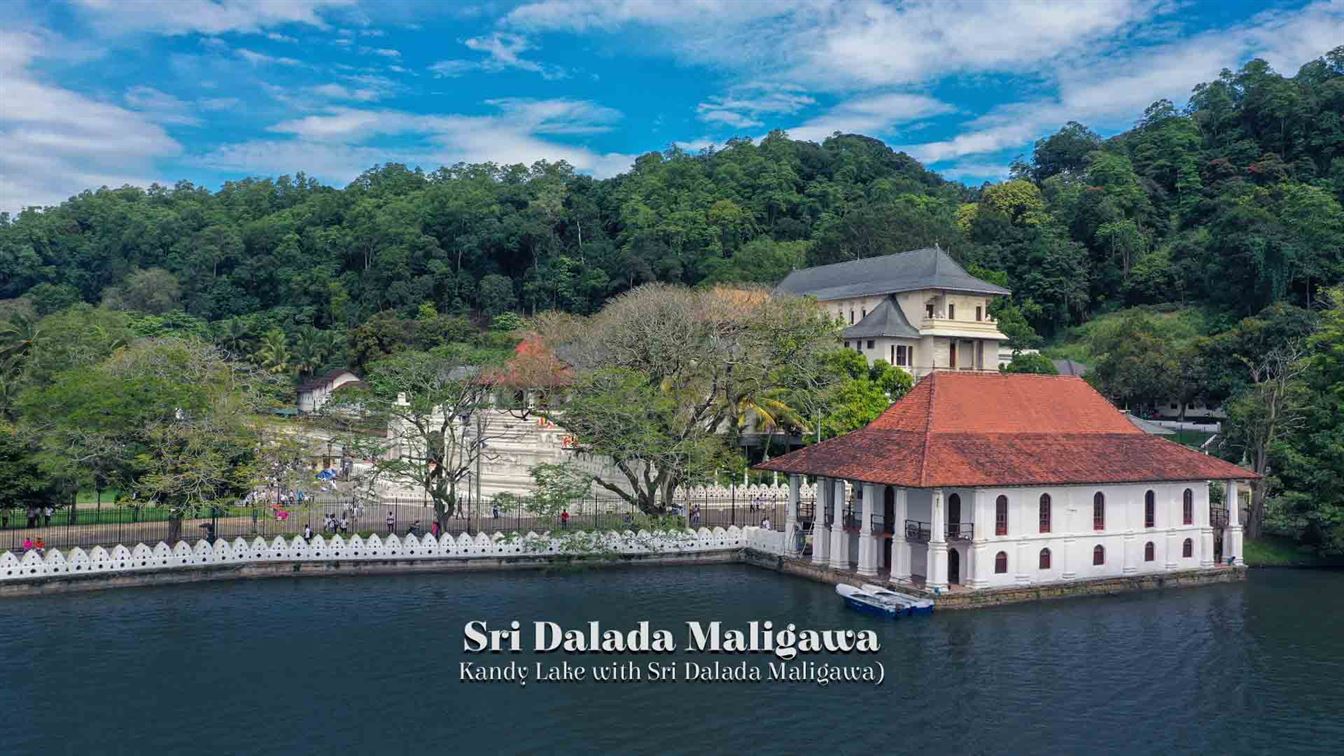
The Sri Dalada Maligawa — Temple of the Sacred Tooth Relic — stands on the edge of Kandy Lake in the heart of the island's last royal capital. It is not the largest or oldest temple in Sri Lanka. But it is the most important.
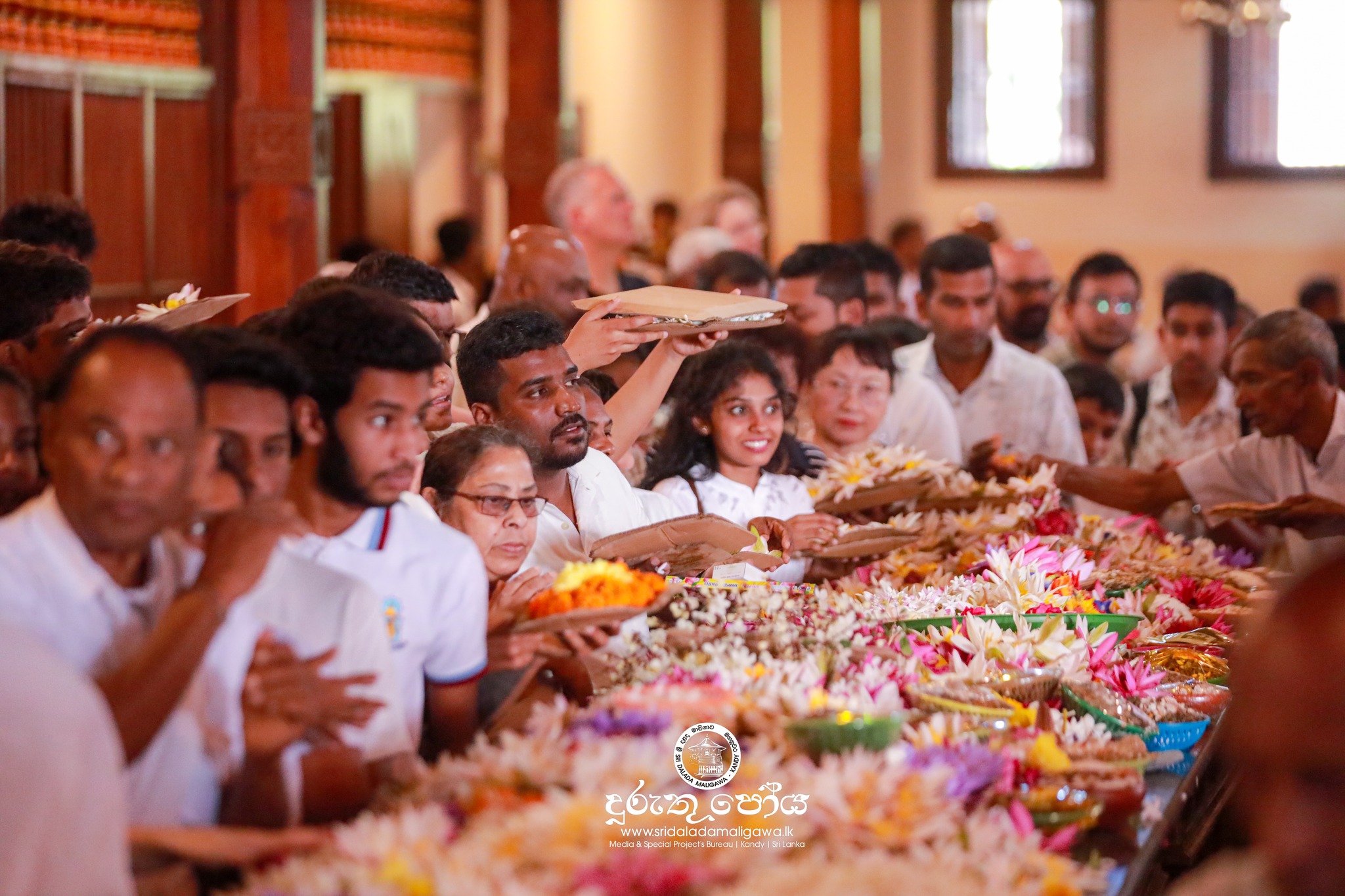
Three times a day — at dawn, noon, and dusk — the inner shrine opens for puja. Drums sound. White-robed attendants carry trays of flowers and oil lamps. The casket is never opened, never shown — but its presence is experienced as something entirely physical by everyone in the room.
Wars Over the Tooth
In 1560, the Portuguese captured what they believed to be the Sacred Tooth and ordered it ground to powder and scattered in the sea. Sri Lankans will tell you with quiet certainty that what the Portuguese destroyed was not the real tooth.
The British, more pragmatic, assumed custodianship in 1815 when they defeated the last Kandyan king. Even an empire found it easier to inherit the relic than to dismiss it.
Whatever you believe, you will leave the temple having felt the weight of something very old and very much alive.